Article Summary
Detailed comparison of Indianapolis vs. coastal markets for real estate investors. Cap rates, landlord-tenant laws, tax arbitrage, and how to execute your first Midwest acquisition from CA or NY.
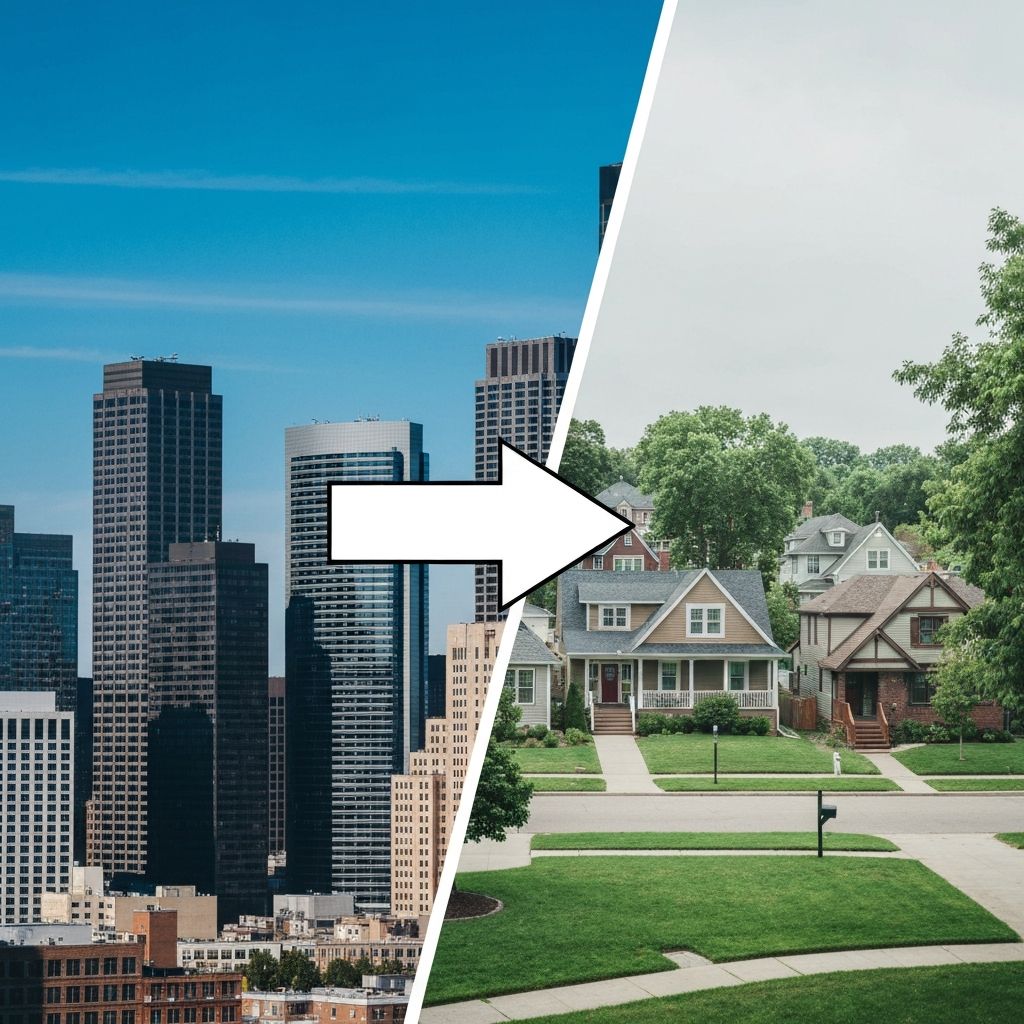
If you're a California or New York real estate investor, you've probably done the math: coastal markets have been squeezed. Between rent control, sky-high property prices, aggressive tenant protections, and razor-thin (or negative) cash flow, growing a rental portfolio on the coasts has become a game of appreciation speculation rather than cash flow investing.
That's why a growing wave of CA and NY investors are deploying capital into Indianapolis — and the numbers tell the story.
The Numbers: Indianapolis vs. Coastal Markets
Purchase Price Comparison
The same $500,000 you'd spend on a studio condo in San Francisco or a 1-bedroom in Brooklyn buys you a portfolio of 2-3 fully renovated single-family homes in Indianapolis's best rental neighborhoods.
| What $500K Buys You | San Francisco | Brooklyn, NY | Indianapolis |
|---|---|---|---|
| Property type | Studio condo | 1BR condo | 2-3 SFH homes |
| Gross monthly rent | $2,400 | $2,800 | $4,500-$5,400 |
| Gross yield | 5.8% | 6.7% | 10.8-12.9% |
| Cash flow after PITI | -$200/mo | -$100/mo | +$800-$1,500/mo |
| Property tax rate | 1.18% | 0.88% | 1.01% |
| Insurance (annual) | $2,400 | $1,800 | $1,100 |
Cash-on-Cash Return Analysis
Assuming 25% down, 7% interest rate, 30-year fixed:
San Francisco condo ($500K)
- Down payment: $125,000
- Monthly PITI: $2,890
- Monthly rent: $2,400
- Net cash flow: -$490/month
- Cash-on-cash return: -4.7%
Indianapolis portfolio (2x $250K homes)
- Down payment: $125,000 total
- Monthly PITI (both): $2,650
- Monthly rent (both): $3,300
- Net cash flow: +$650/month (before management)
- Cash-on-cash return: +6.2% (after management fees)
That's an 11-point swing in cash-on-cash returns by simply redirecting the same capital from San Francisco to Indianapolis.
Landlord Law Comparison: Night and Day
This is where Indianapolis truly shines for investors accustomed to coastal regulatory environments.
California Challenges
- Statewide rent control (AB 1482) — Caps annual increases at 5% + CPI (max 10%)
- Just cause eviction required — Cannot remove tenants without qualifying reason after 12 months
- Relocation assistance — Must pay 1 month's rent for no-fault evictions
- Tenant screening limitations — Cannot consider criminal history in many jurisdictions
- COVID protections — Extended eviction moratoriums persisted years beyond pandemic
- Average eviction timeline: 3-6 months (longer in LA and SF)
New York Challenges
- Rent stabilization — Affects ~1 million units; annual increases set by Rent Guidelines Board
- Housing Stability and Tenant Protection Act (2019) — Eliminated most landlord-friendly provisions
- Good cause eviction — Expanding across the state
- Security deposit cap — Limited to 1 month's rent
- Average eviction timeline: 6-12+ months
- Warranty of habitability — Expansive interpretation by courts
Indiana Advantages
- No rent control — Set and adjust rents to market rate at will
- No just cause eviction requirement — Can choose not to renew at lease end
- No relocation assistance mandates
- Standard tenant screening permitted — Credit, criminal, income, rental history
- Security deposits — No statutory cap
- Average eviction timeline: 3-5 weeks
- Balanced court system — Indiana courts are neutral, not tenant-advocacy oriented
Tax Arbitrage: State Income Tax Savings
California (13.3% top rate)
California taxes rental income from CA properties at up to 13.3%. If you redirect that capital to Indianapolis:
- Indiana state tax rate: 3.05%
- Annual savings on $30,000 net rental income: $3,075
- Over 10 years: $30,750 in state tax savings alone
Important: California may still tax you on Indianapolis rental income if you're a CA resident. Consult a multi-state CPA. However, you'll receive a credit for taxes paid to Indiana, and the net is still favorable.
New York (10.9% top rate)
- NY state tax rate: up to 10.9% (plus NYC tax of 3.876%)
- Indiana rate: 3.05%
- Annual savings on $30,000 net rental income: $2,355 (state only; more with NYC tax)
How Coastal Investors Execute Indianapolis Acquisitions
Step 1: Market Education (Week 1-2)
- Read our 2026 Indianapolis Rental Market Forecast
- Review Best Neighborhoods for Cash Flow
- Join BiggerPockets Indianapolis forum for market pulse
Step 2: Build Your Local Team (Week 2-3)
- Buyer's agent — Must be investor-experienced (ask: "How many investment properties did you close last year?")
- Property manager — Interview before buying, not after (this is critical)
- Lender — Get pre-qualified for investment property financing
- Insurance agent — Landlord policy quotes with liability umbrella
Step 3: Property Identification (Week 3-6)
Target neighborhoods by investment goal:
Appreciation + Cash Flow (B+ neighborhoods)
- Fishers, Carmel, Noblesville
- Entry: $280K-$380K
- Rent: $1,800-$2,400
- Cap rate: 6-7.5%
Strong Cash Flow (B neighborhoods)
- Greenwood, Lawrence, Speedway, Beech Grove
- Entry: $180K-$280K
- Rent: $1,400-$1,800
- Cap rate: 7.5-9%
Maximum Cash Flow (B-/C+ neighborhoods)
- East side, South side, Fountain Square fringe
- Entry: $100K-$180K
- Rent: $1,000-$1,400
- Cap rate: 9-12%
Step 4: Due Diligence (Week 6-7)
Even remotely, you must verify:
- Professional home inspection ($350-$500)
- Sewer scope ($150-$250) — Critical for Indianapolis homes built before 1970
- Comparable rental analysis (your property manager should provide this)
- Title search and insurance
- Property tax verification (Marion County can reassess aggressively)
Step 5: Close and Onboard (Week 7-9)
- Remote closing via mobile notary or RON (Remote Online Notarization)
- Onboard with your property manager
- Tenant placement begins immediately
- First rent check typically within 30-45 days
Real Investor Case Study: SF to Indy Portfolio
Note: Composite based on actual client portfolio patterns
A San Francisco tech professional sold a $750K condo that was cash-flowing -$300/month after HOA, taxes, and mortgage. They deployed the proceeds into:
- 3 single-family homes in Greenwood and Lawrence ($650K total)
- Gross monthly rent: $4,950
- Monthly expenses (PITI + management): $3,200
- Net monthly cash flow: +$1,750
- Cash-on-cash return: 12.8%
Result: Went from losing $3,600/year on one California property to earning $21,000/year from three Indianapolis properties — with professional management handling everything remotely.
Common Concerns From Coastal Investors
"Indianapolis doesn't appreciate like CA/NY"
True — Indianapolis appreciation averages 4-6% annually vs. 8-12% for coastal metros in boom years. But coastal markets also crash harder (see 2008-2012). Indianapolis's lower volatility + strong cash flow creates a more stable wealth-building trajectory.
"I can't manage property 2,000 miles away"
You can't — and you shouldn't try. Professional property management exists precisely for this. Read our Remote Property Management Guide for the complete playbook.
"What if the tenant destroys the property?"
Thorough tenant screening (credit, criminal, income verification, landlord references) mitigates 90% of this risk. Indianapolis's 3-5 week eviction timeline means problematic tenants can be removed quickly, unlike the 6-12 month ordeal in CA/NY.
"Is Indianapolis a growing market or a dying city?"
Indianapolis is one of the fastest-growing metros in the Midwest. Population has grown 11% since 2010, Amazon and other tech employers have expanded, and the cost of living remains 15% below the national average. The city invested $1.4 billion in infrastructure in 2024-2025 alone.
Ready to Redirect Your Capital?
If you're tired of negative cash flow, tenant-friendly courts, and rent control squeezing your returns, Indianapolis offers a compelling alternative. The key is having a trusted local team.
Start your onboarding or schedule a free consultation to discuss your investment goals.